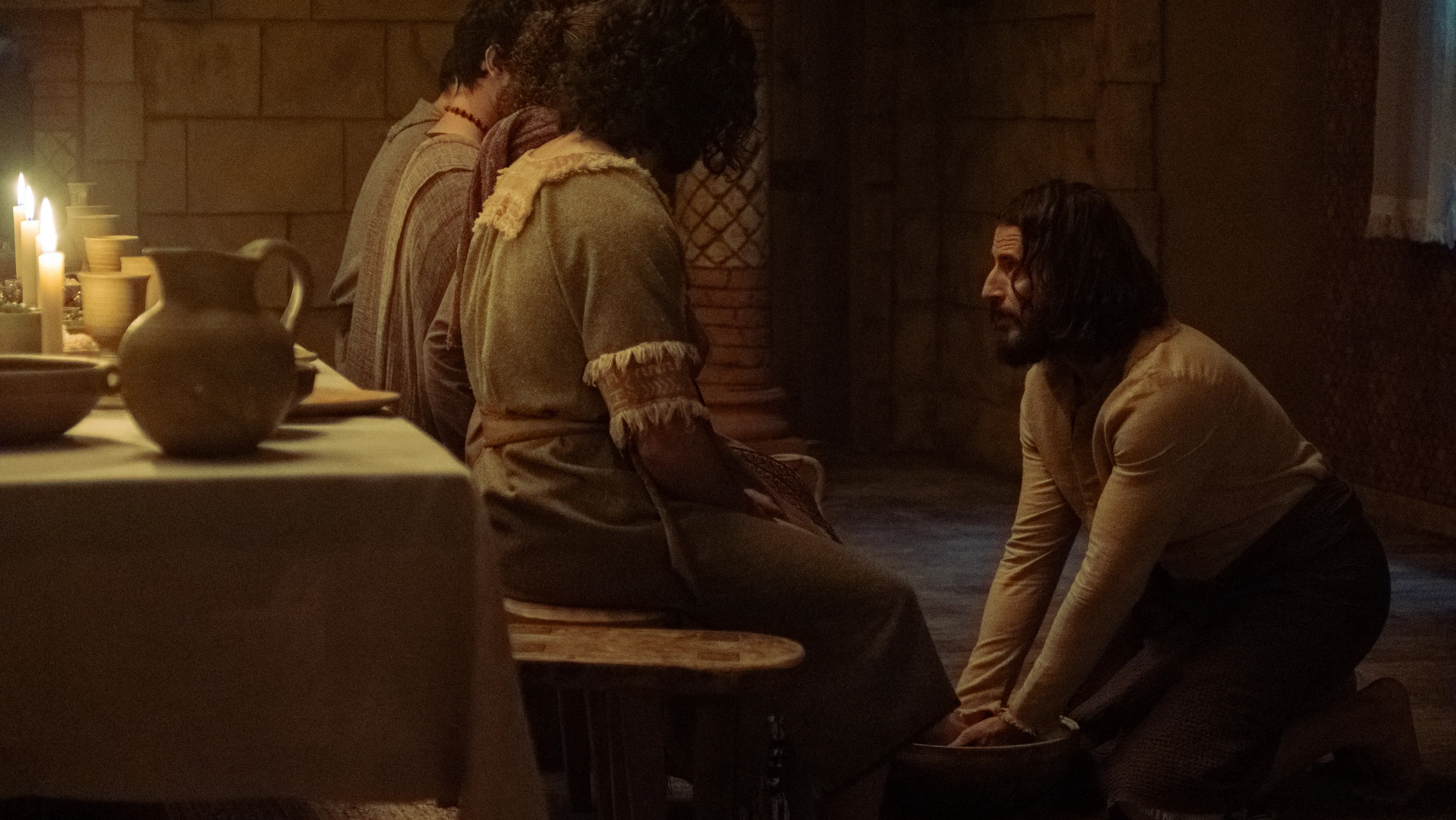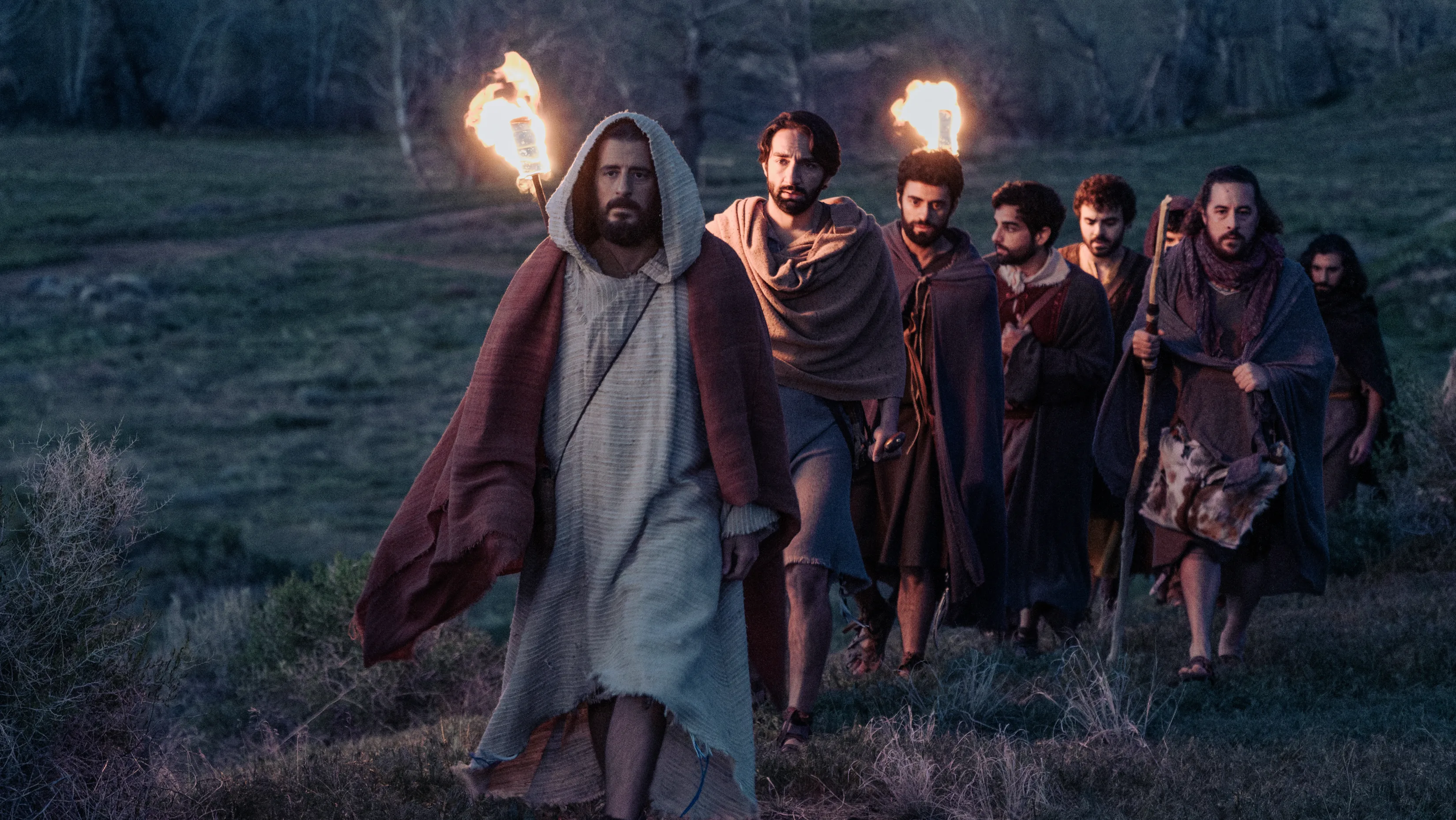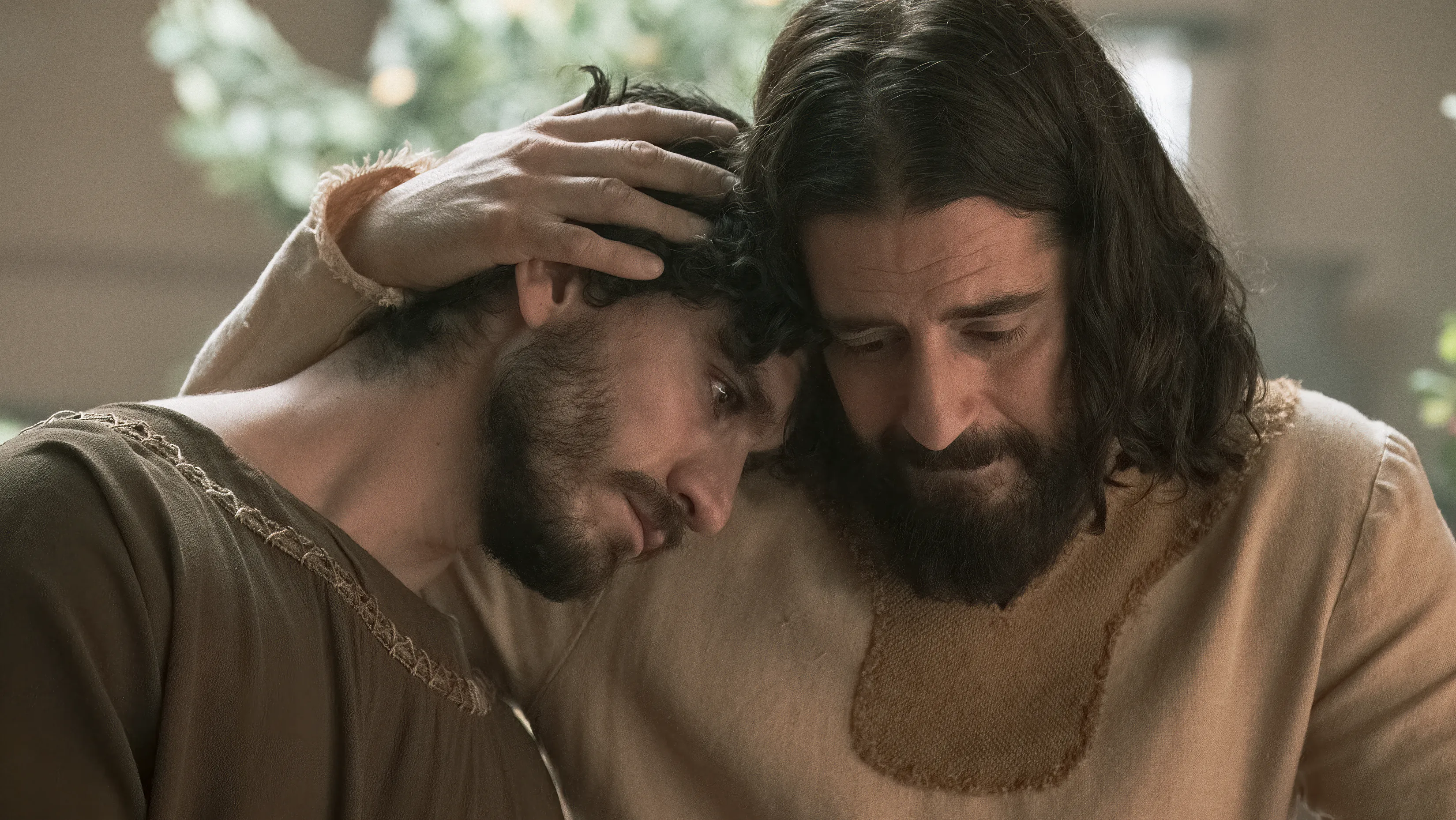

Each track is a different way to engage with the content of the episode. You can choose to follow a track for the entire season, or you can choose to follow a track for a specific episode. Come as you are and grow at your own pace.
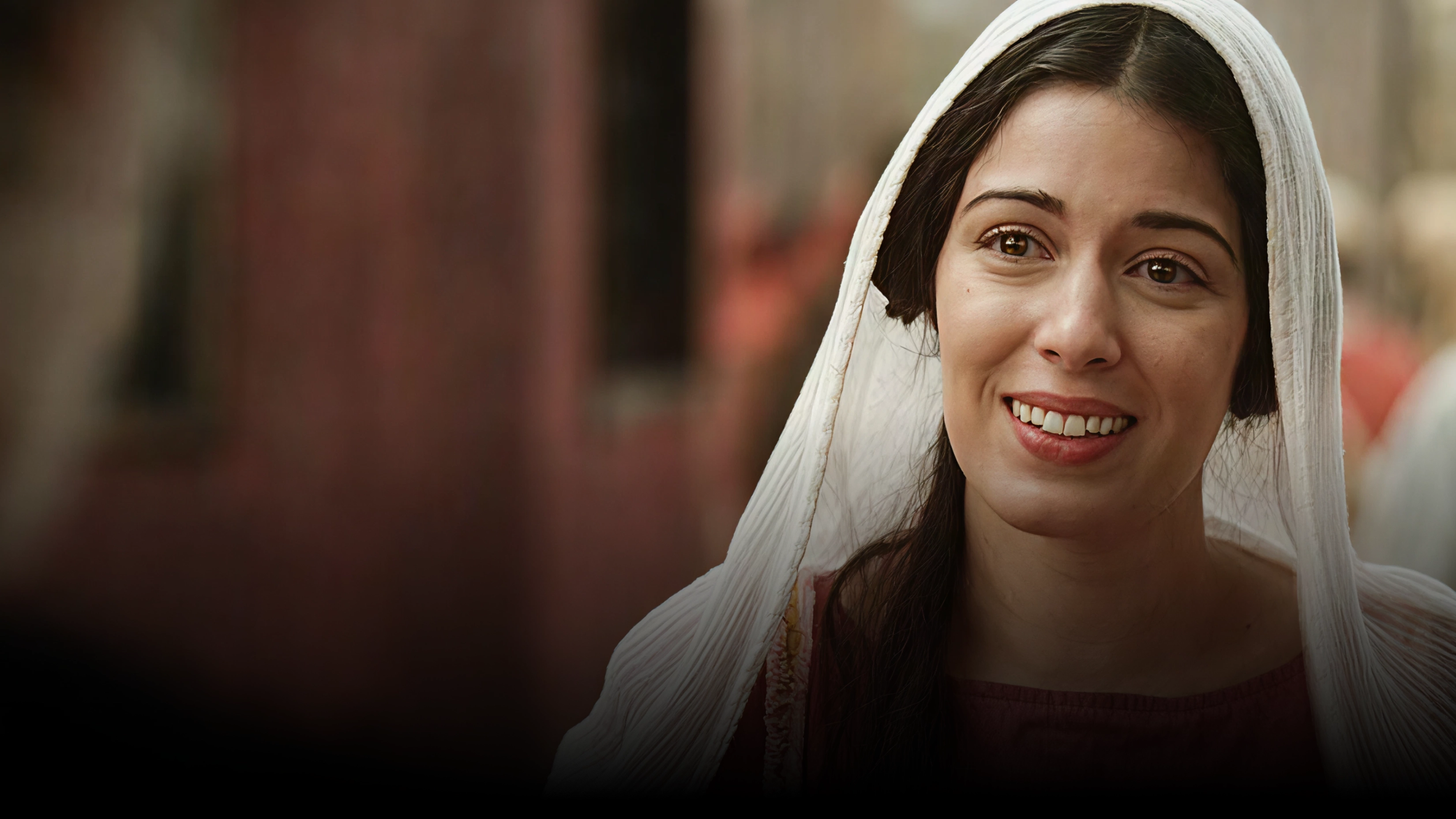
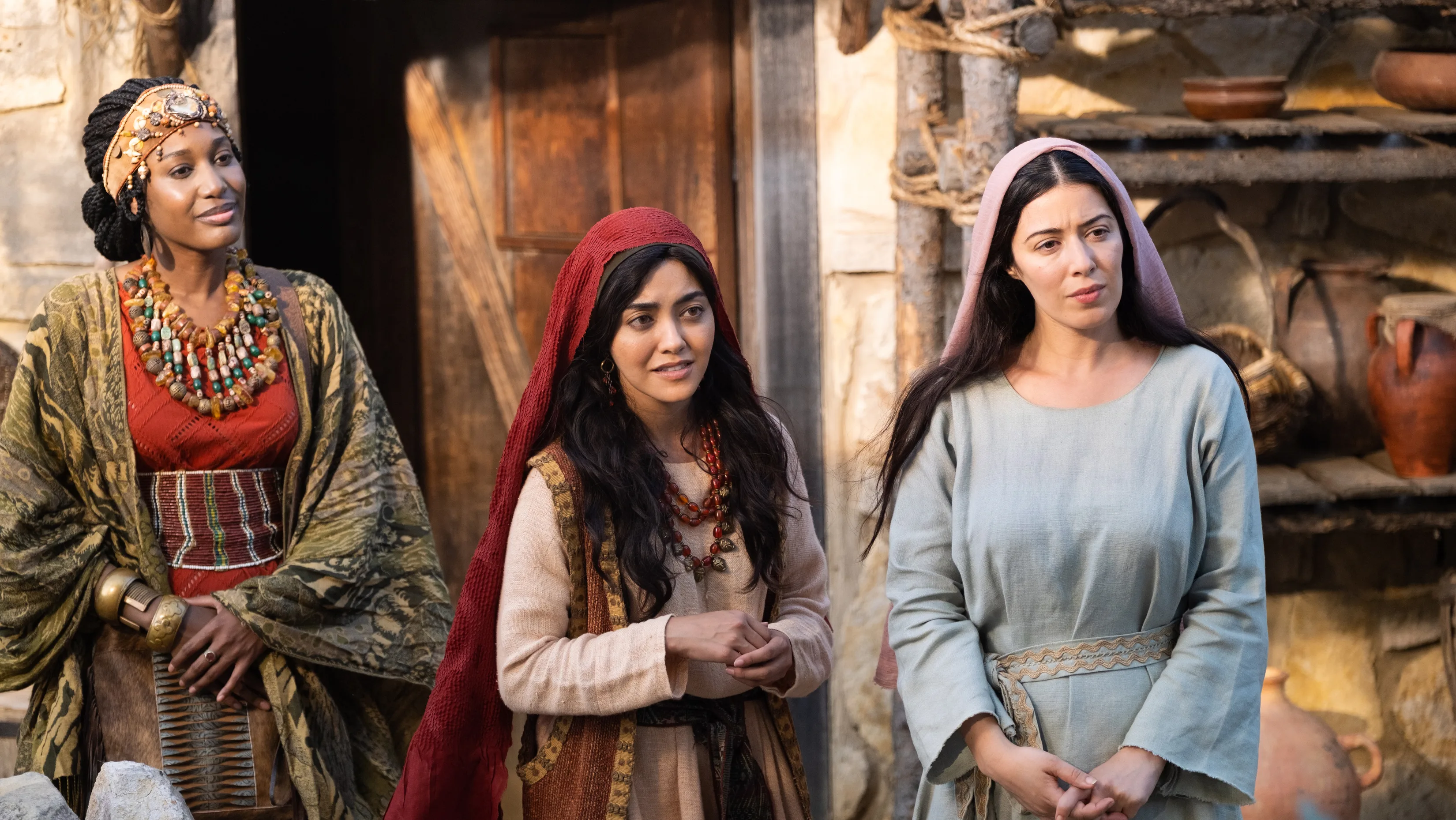
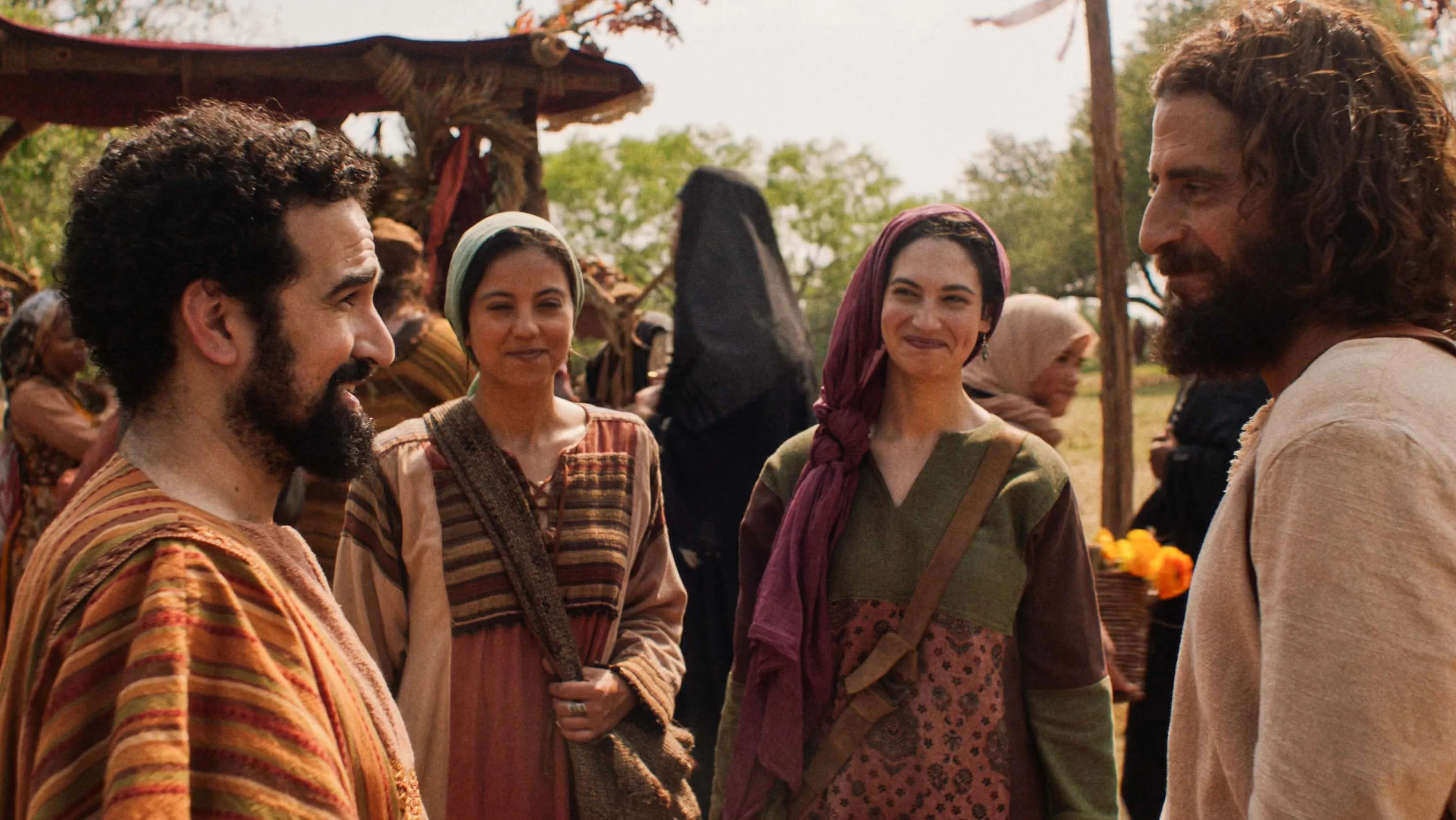
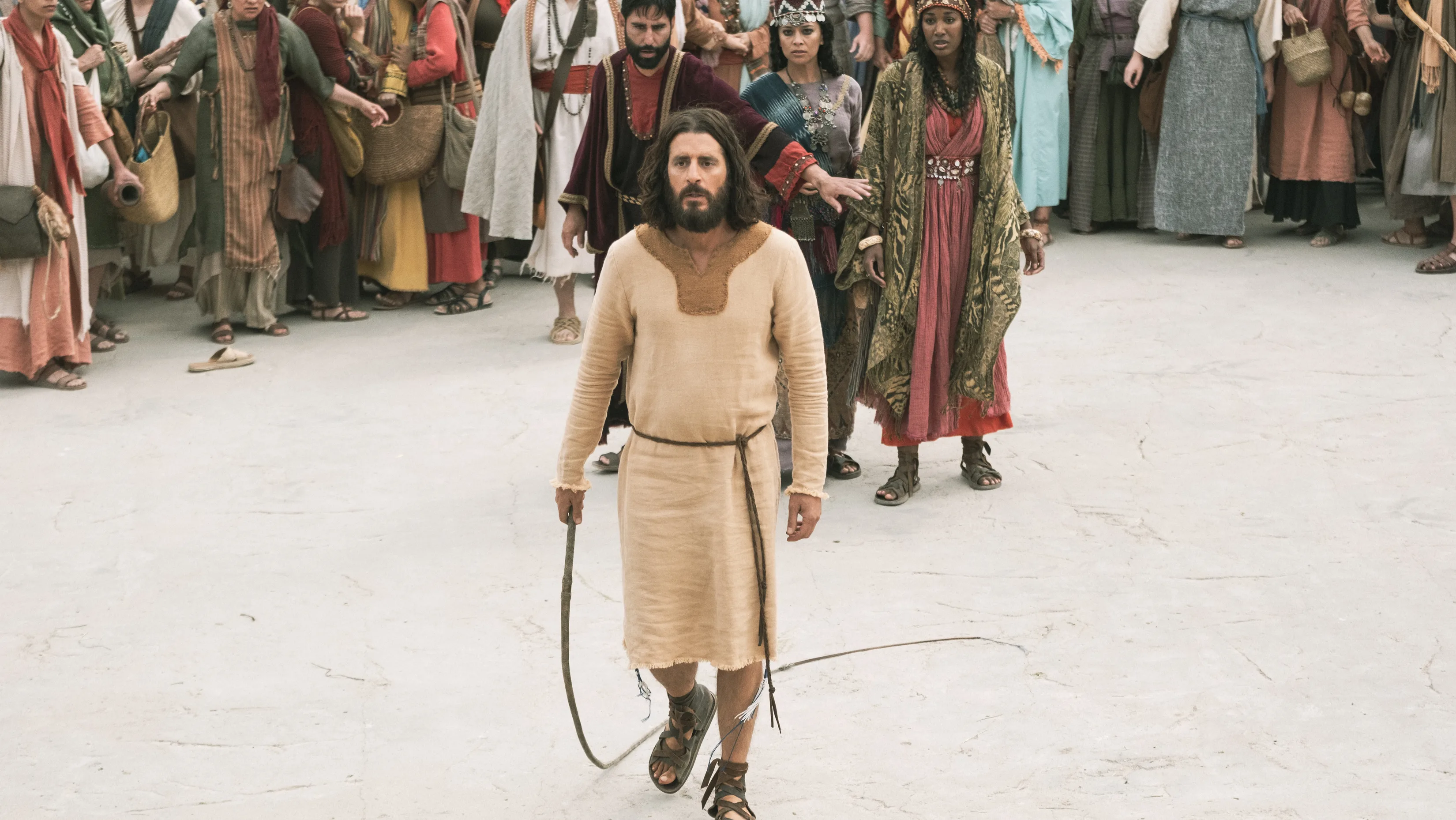
As Mary searches for Yussif to help Jesus, she runs into Shmuel on the street. He tells his colleagues that she is from the Red Quarter in Capernaum and that she was once possessed by seven demons. Mary responds without hesitation, “I’m from Magdala by the sea, possessed by the Creator of the universe” [10:55-11:50 min].
Mary does not deny her past. She does not defend herself. Instead, she redefines herself based on the God who saved her.
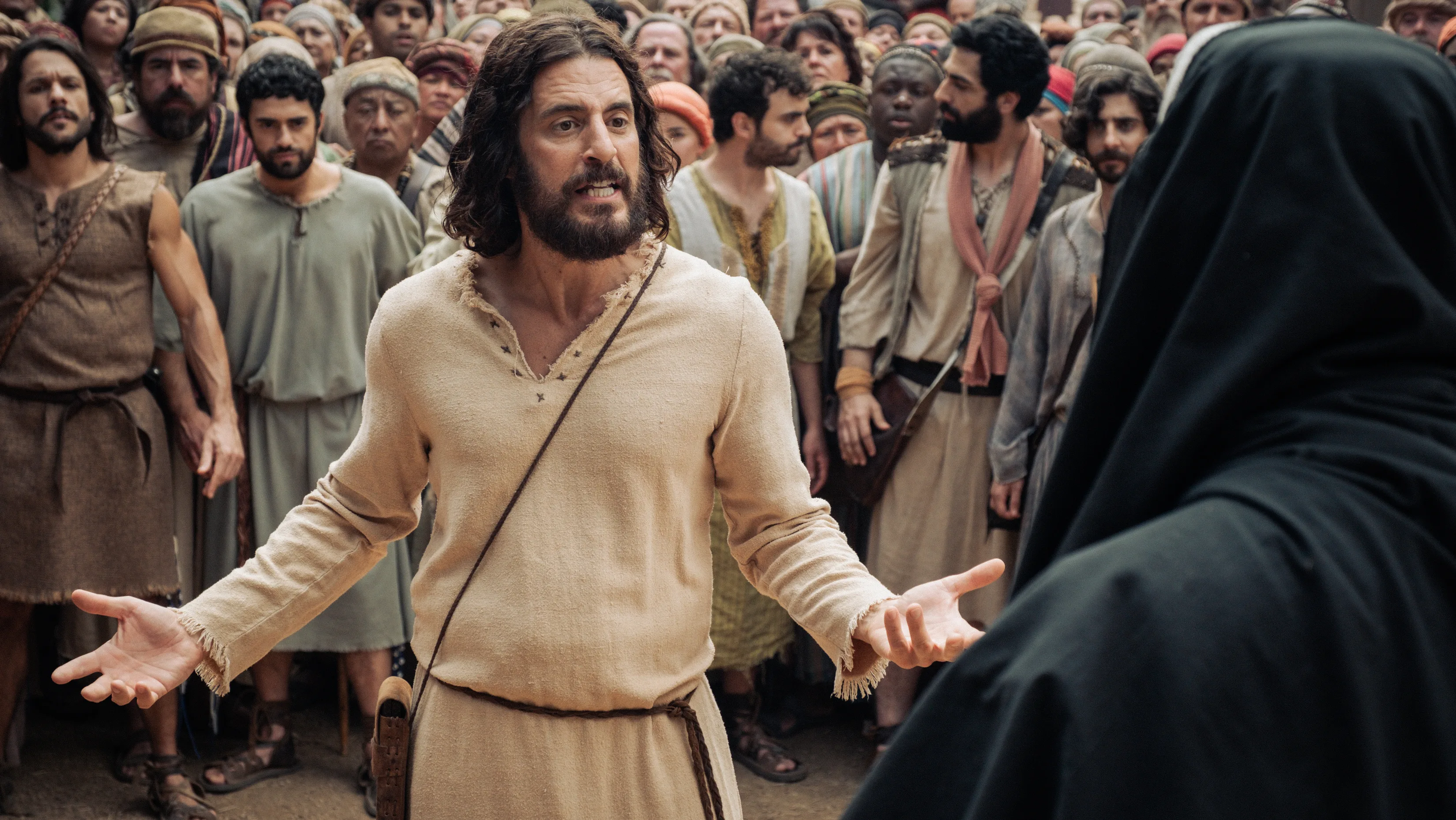
Shmuel accuses Mary of following a man who has essentially signed his own death sentence. He warns that Jesus will be silenced, shamed and condemned—and that anyone who stands with him could face the same fate. He even suggests Jesus’ followers would be better off living in a leper colony.
Mary responds powerfully, “A leper colony, he would heal and redeem. The truth is, there is nowhere you can send us where Jesus is not Lord. I think what he said means something terrible for you. And I think you know it. They may not—but you do. And it drives you mad” [11:52-12:25 min].
Mary’s confidence is not based on circumstances. It is based on who Jesus is. Let’s read Psalm 139.
Deep faith is not built on comfort. It is built on truth. Even though Mary knows danger may come, she speaks with courage because she knows who Jesus is and who she now belongs to. She trusts that his Lordship is not limited by location, power or threats.
In this episode, Jesus asks John to begin with the Dayenu. The Dayenu is part of the Jewish Passover celebration and has been sung for generations. The word “dayenu” means “it would have been enough”.
The song recounts the many gifts God gave his people: delivering them from slavery, parting the sea, providing manna, giving Shabbat and giving the Torah. After each gift, the people sing that even if God had only done that one thing, it would have been enough. The song teaches gratitude and reminds us that God’s work often happens in stages.
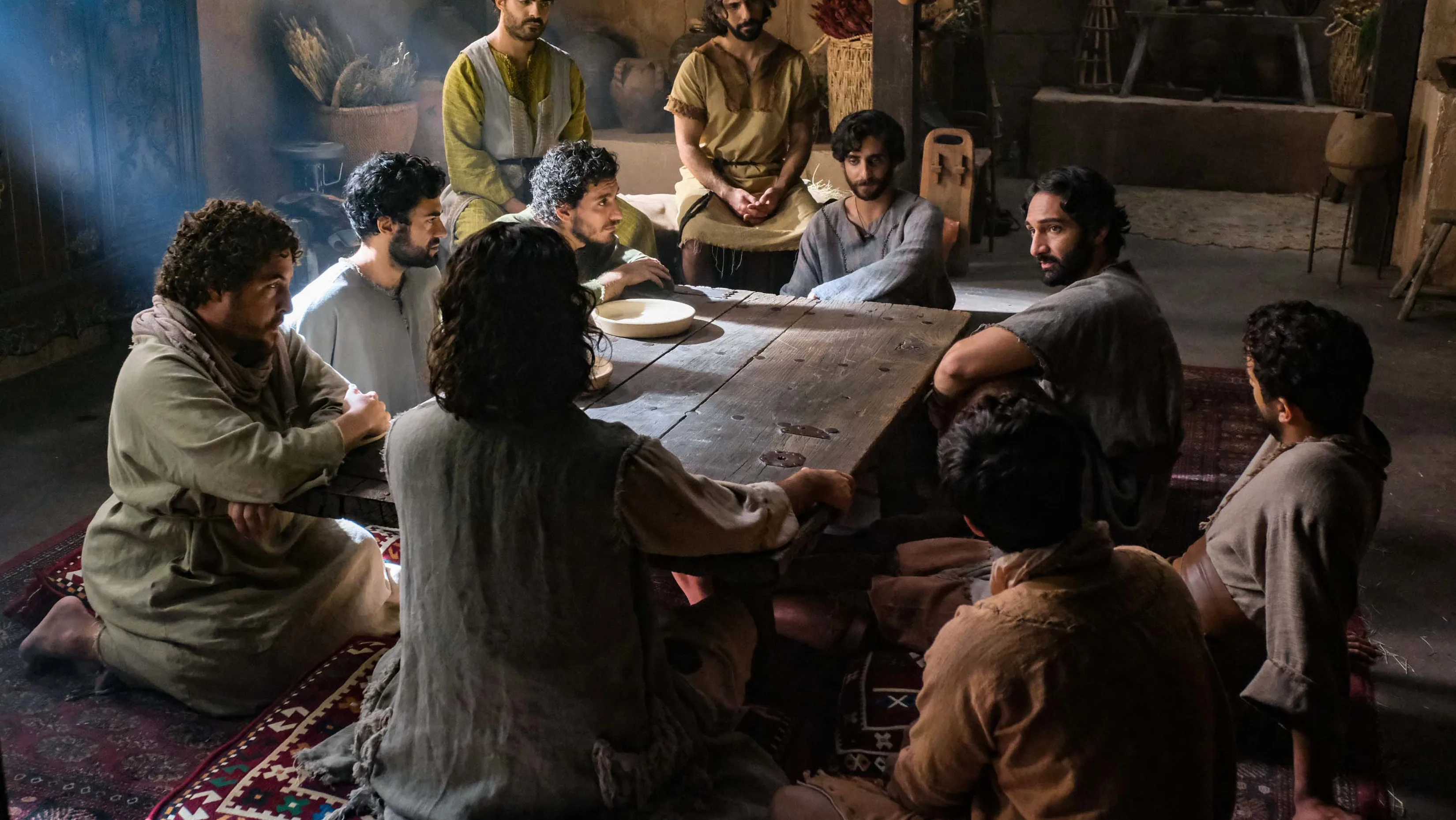
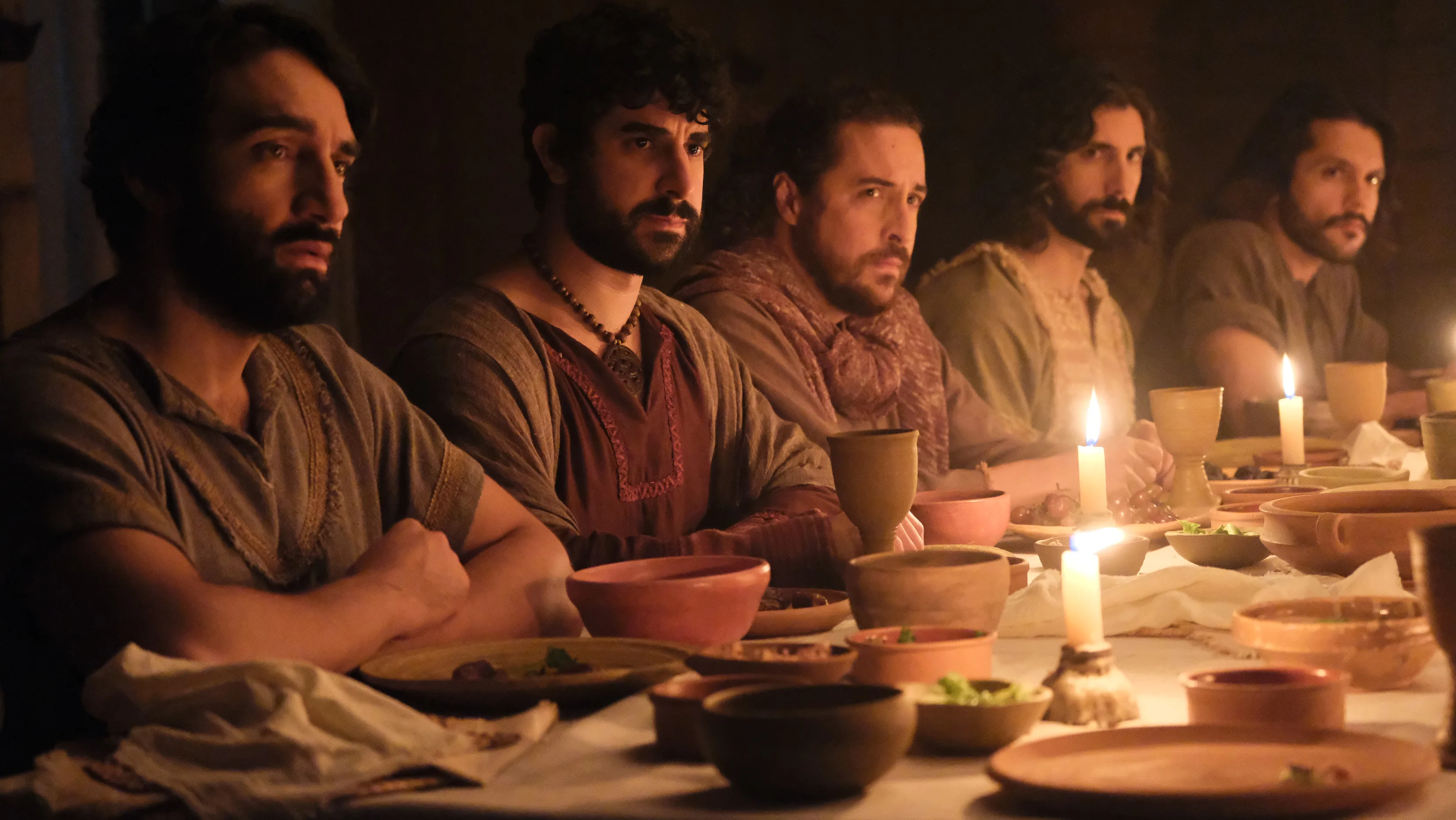
During the celebration, Big James adds a powerful line to the Dayenu, “If he had built for us a holy temple and not sent the Messiah in our lifetimes … It would have been enough. We would have waited. But you chose us. You chose now. And it is enough” [00:23-03:18 min].
His words express deep gratitude, even while acknowledging that God’s plan is still unfolding. Scripture often invites us to remember what God has already done so that we can trust him with what we cannot yet see. Let’s read Psalm 136.
The Dayenu reminds us that every moment of our lives is part of a larger story God is writing. It challenges the idea that fulfilment is always somewhere in the future. It reminds us to recognise the abundance in our lives, rather than focusing on what is missing.
But this gratitude is not passive. When Moses cried out at the Red Sea, God told him to move the people forward. They couldn’t yet see the path, but they still had to step forward in faith. Faith lived in community with others means accepting where we are, trusting God in it and still taking steps forward. It is both surrender and action.
At the end of the episode, the women create their own Dayenu: A song that helps cultivate an attitude of gratitude and contentment.
Optional Activity: Create your own Dayenu as a group. Go around the circle and complete the sentence: “If God had only … and not …, it would have been enough.” Write the sentences down and share a copy with each person to take home. End by saying, “Dayenu—it would have been enough” together.
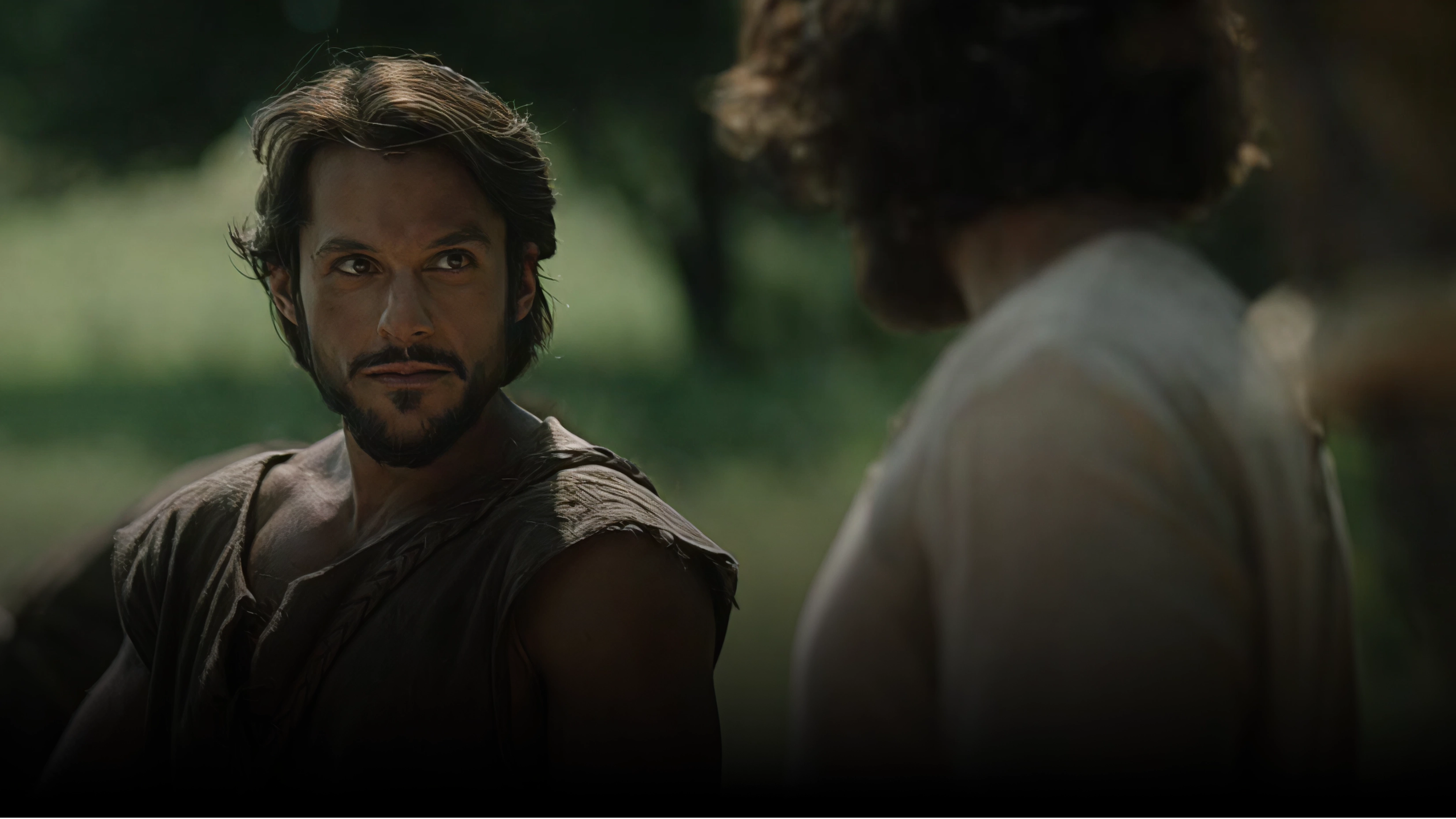
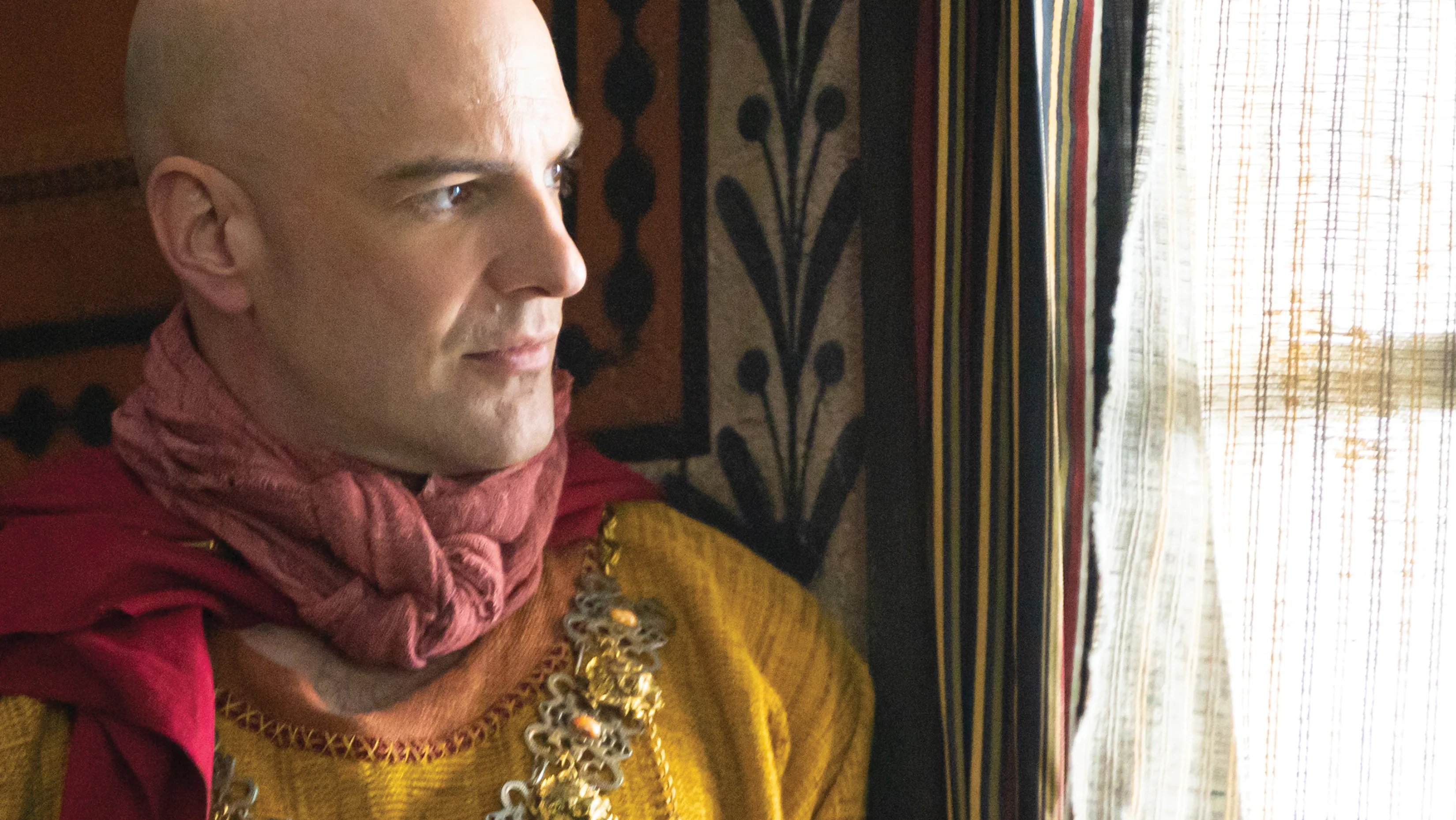
In this episode, Judas struggles to understand what is happening. He expected Jesus to restore Israel politically, but that does not seem to be happening. He disagrees with the direction things are going and shares his concerns with Peter.
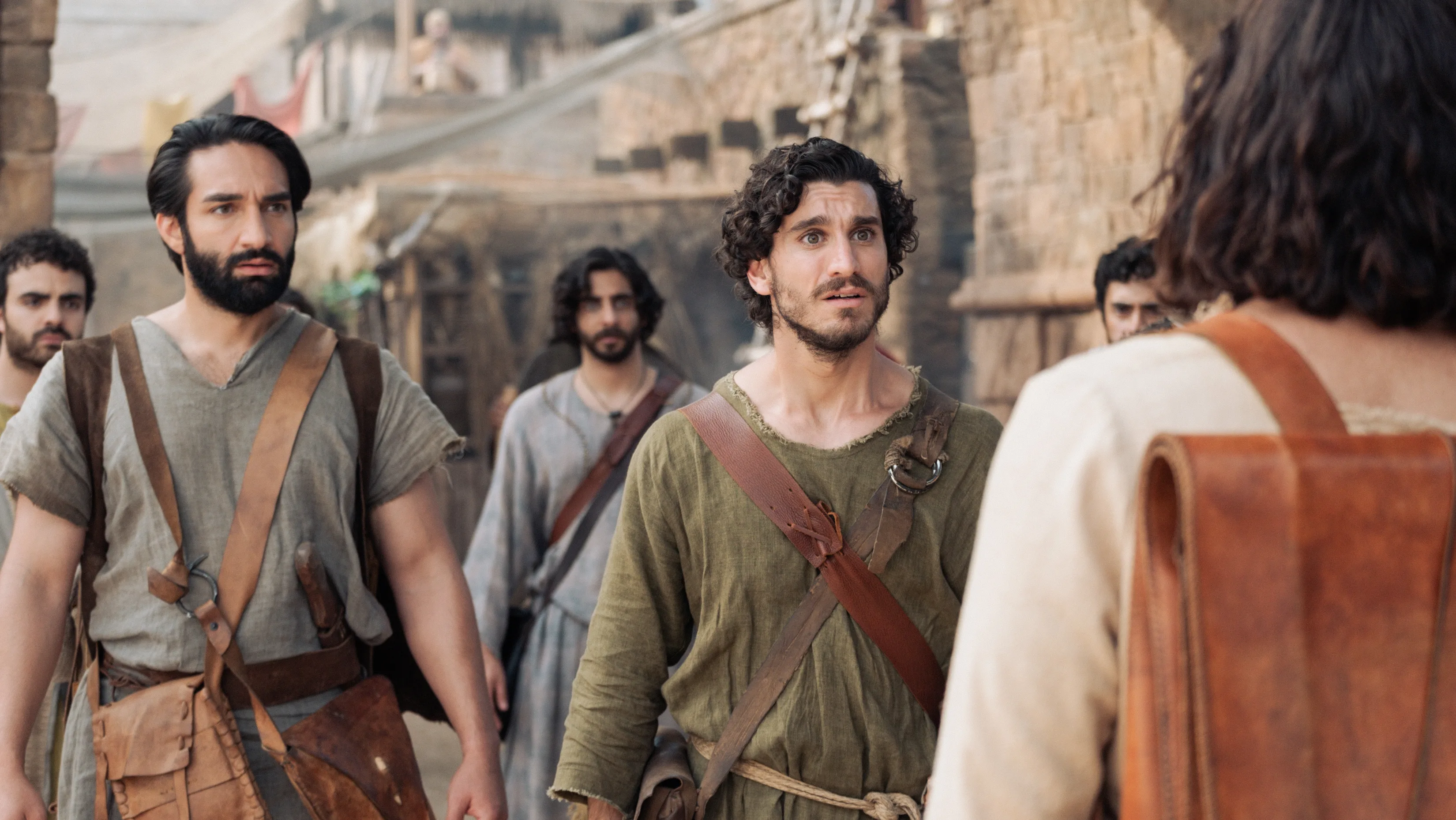
Peter responds, “You’re a walking contradiction, Judas, you know that? You believe he could make swords magically appear in the hands of all those people, and yet from that same mouth, you question his every move. Why can’t that faith that believes so fully, knows so deeply, also allow you to trust that he knows what he is doing?” [13:35-15:28 min]
Judas believes in Jesus’ power, but he struggles to trust his plan.
When Judas tries to explain why Jesus called him and how he can contribute, Peter says, “I love you, Judas. But your mind is so full of your own ideas, you shut off belief” [15:30-15:46 min]. Let’s read Mark 3:13-19.
Later in the episode, Judas confronts Jesus, telling him how all of Israel has gathered to crown him king. Judas is worried that the window of opportunity is closing, and he urges Jesus to claim his birthright as the Messiah.
Jesus responds, “And if I don’t do whatever big thing you have imagined I should do at this time, will you still believe?” Judas answers, “Of course I will.” Then Jesus asks, “Then why are you suggesting that you know better than I do what should be the best next course of action?” [32:38-35:05 min]
Judas struggles because Jesus is not following the expected strategy. Jesus brings the conversation back to the deeper issue: trust and belonging. Often, understanding Jesus means surrendering our own plans. Sometimes the deepest understanding grows not from having all the answers, but from choosing to trust him.
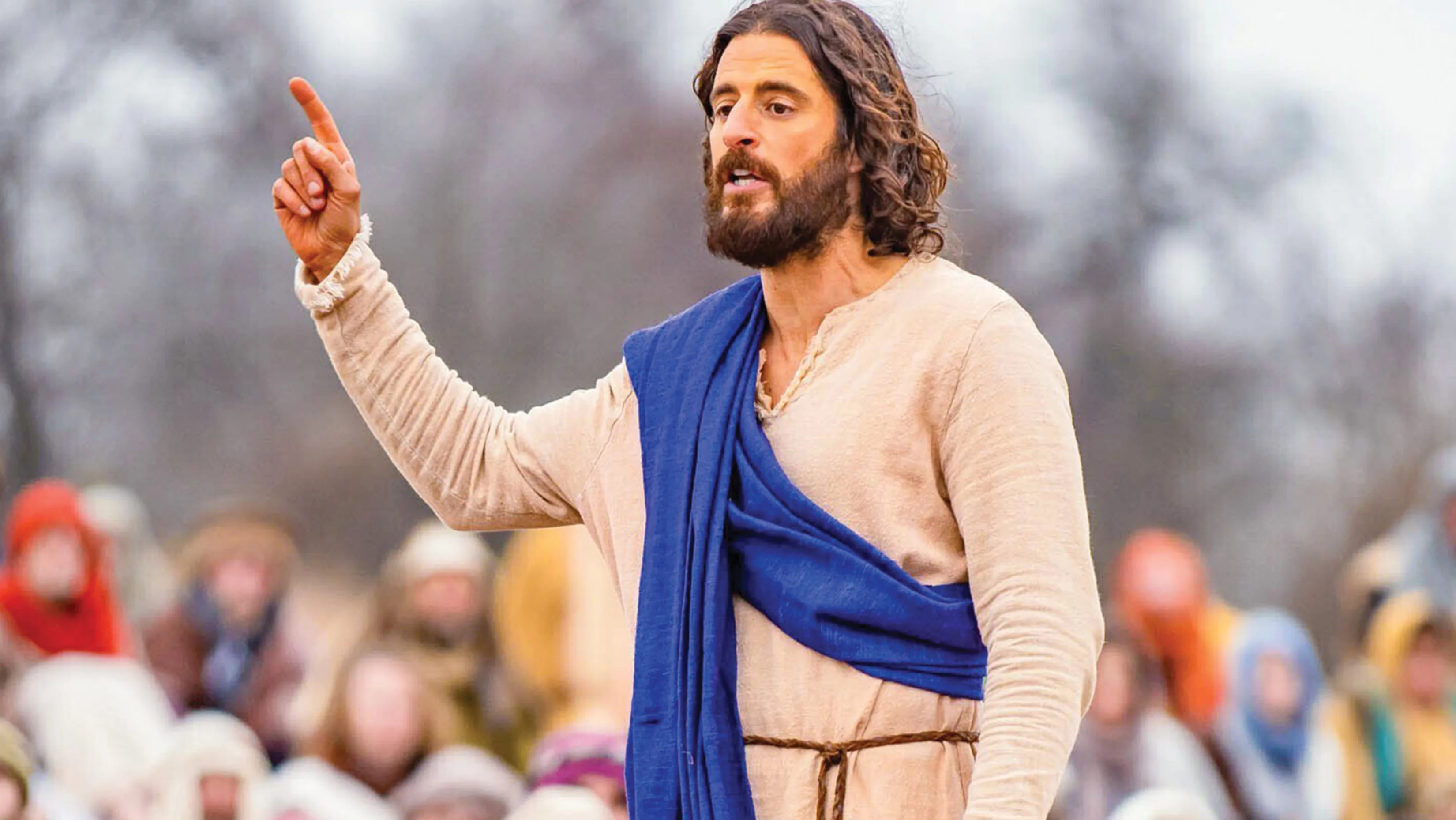
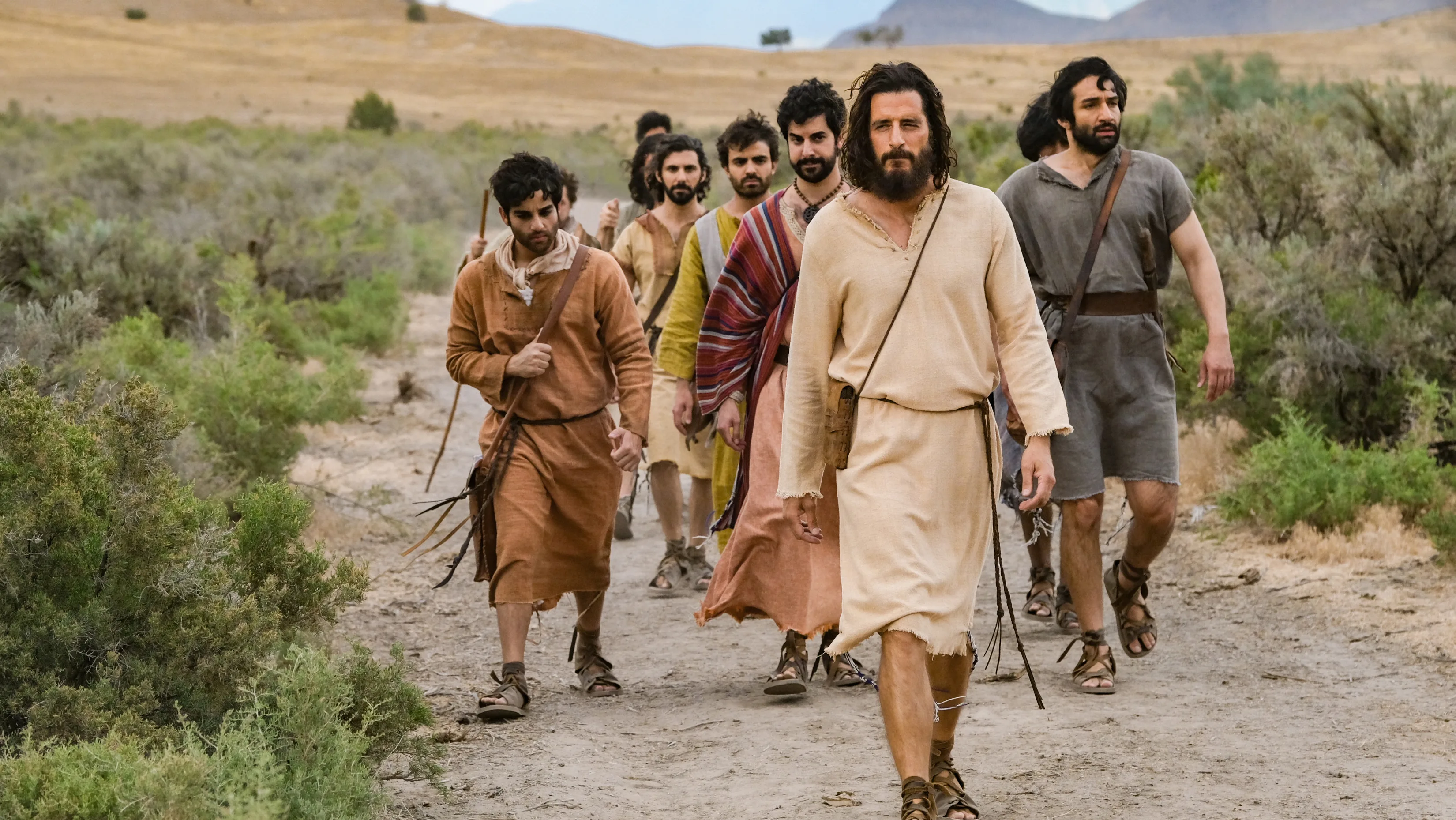
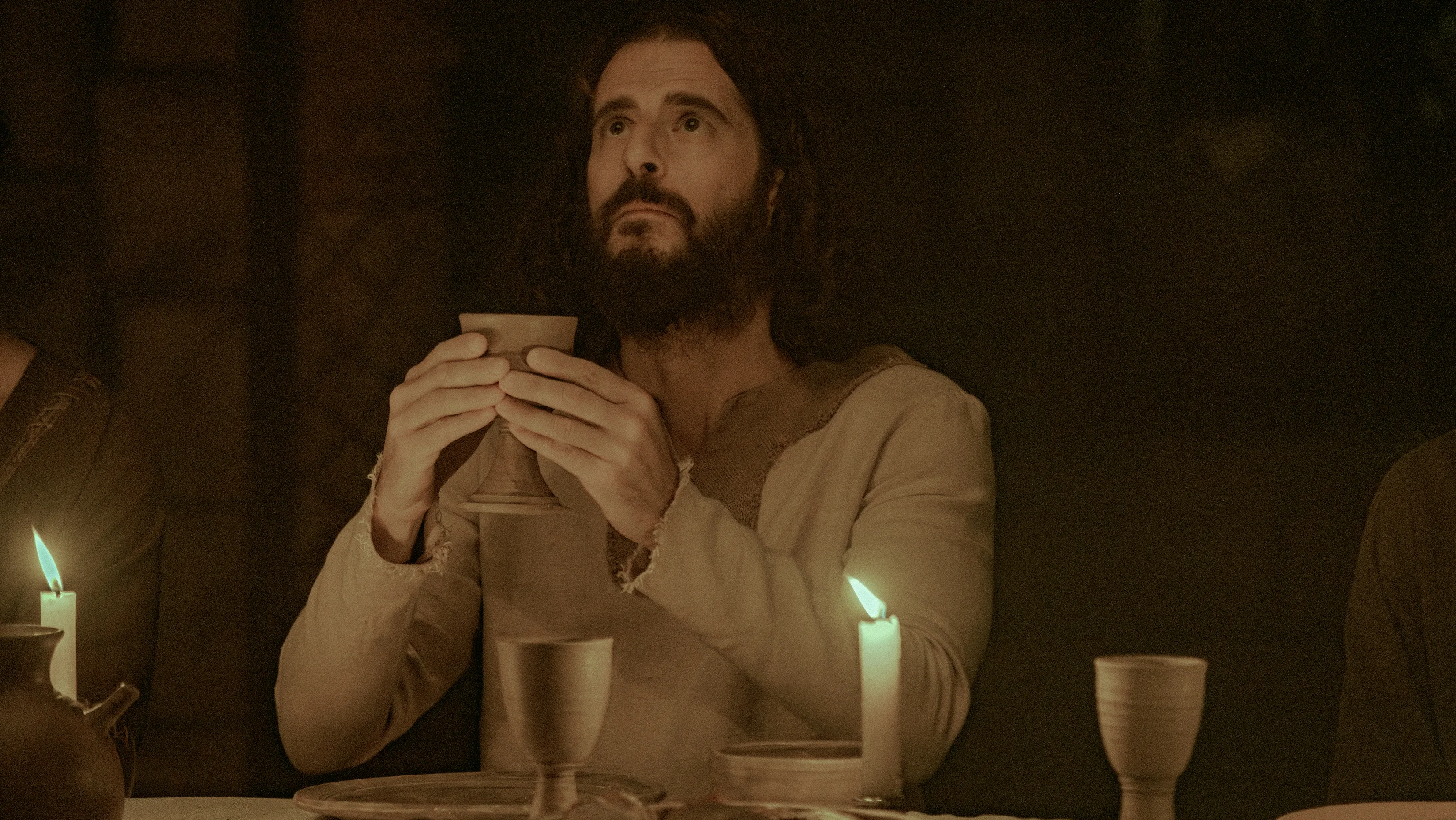
In the opening of the episode, Jesus tells his disciples: “My friends, I am with you just a little while longer. And where I am going, you cannot come. A new commandment I give to you: that you love one another. Just as I have loved you, you also are to love one another. By this all people will know that you are my disciples, if you have love for one another” [07:14-08:23 min].
This moment is both intimate and urgent. Jesus knows he is leaving. What does he emphasise? Not strategy. Not structure. Not survival. Love.
Before we talk about what loving others looks like, we need to slow down and listen carefully to what Jesus is saying. He does not simply command love; he defines it, “Just as I have loved you ...”
To understand what it means to give hands and feet to our faith, we first need to understand the kind of love Jesus is talking about. Let’s read John 13:34-37.
The world will not recognise Jesus in us because we argue well, gain influence or are impressive. They will recognise him in us when we love like he loves.
Transformational love begins by receiving his love, and then choosing to pass it on. It is not just an inner feeling. It is active and costly. And as we practise it, it shapes our hearts, our relationships and our communities.
This discussion guide also includes a reading plan to help you personally apply the lessons from The Chosen. You can go through it on your own or with your group, allowing for deeper reflection and ongoing conversation. Enjoy the journey!
If your group members don’t have YouVersion accounts, you can simply share a link to the reading plan. In the reading plan, everyone can read and reflect individually, keeping the focus on personal growth.
For a richer group experience, each participant can create a free YouVersion account. You can then:
Start ReadingSeason 1 · Episode 1
Start ReadingSeason 1 · Episode 2
Start ReadingSeason 1 · Episode 3
Start ReadingSeason 1 · Episode 4
Start ReadingSeason 1 · Episode 5
Start ReadingSeason 1 · Episode 6
Start ReadingSeason 1 · Episode 7
Start ReadingSeason 1 · Episode 8
Start ReadingSeason 2 · Episode 1
Start ReadingSeason 2 · Episode 2
Start ReadingSeason 2 · Episode 3
Start ReadingSeason 2 · Episode 4
Start ReadingSeason 2 · Episode 5
Start ReadingSeason 2 · Episode 6
Start ReadingSeason 2 · Episode 7
Start ReadingSeason 2 · Episode 8
Start ReadingSeason 3 · Episode 1
Start ReadingSeason 3 · Episode 2
Start ReadingSeason 3 · Episode 3
Start ReadingSeason 3 · Episode 4
Start ReadingSeason 3 · Episode 5
Start ReadingSeason 3 · Episode 6
Start ReadingSeason 3 · Episode 7
Start ReadingSeason 3 · Episode 8
Start ReadingSeason 4 · Episode 1
Start ReadingSeason 4 · Episode 2
Start ReadingSeason 4 · Episode 3
Start ReadingSeason 4 · Episode 4
Start ReadingSeason 4 · Episode 5
Start ReadingSeason 4 · Episode 6
Start ReadingSeason 4 · Episode 7
Start ReadingSeason 4 · Episode 8
Start ReadingSeason 5 · Episode 1
Start ReadingSeason 5 · Episode 2
Start ReadingSeason 5 · Episode 3
Current EpisodeSeason 5 · Episode 4
Start ReadingSeason 5 · Episode 5
Start ReadingSeason 5 · Episode 6
Start ReadingSeason 5 · Episode 7
Start ReadingSeason 5 · Episode 8
The Chosen Connect materials have been created by Alongsiders and OneHope.
Our heart is to make disciples and walk alongside others as they follow Jesus.

Watch the series on The Chosen app or at
watch.thechosen.tv
© Copyright 2025 Avivemos
All rights reserved.
Scripture quotations taken from The Holy Bible, New International Version® NIV®
Copyright © 1973 1978 1984 2011 by Biblica, Inc. TM
Used by permission. All rights reserved worldwide.